Coconut Tree Font Adds Charm to Handmade Designs
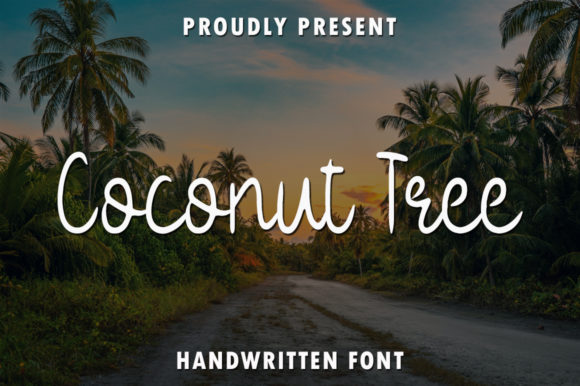
As a web designer who often works with handmade shops and printable creators, I’m always on the lookout for fonts that bring personality and warmth to digital and physical products. Recently, I had the chance to test Coconut Tree, a sweet and delicate handwritten font. From the moment I opened it in my design software, I knew this was going to be a favorite among makers who want something dainty, joyful, and romantic.
Coconut Tree for Wedding Invitations and Boutique Branding
I started by using Coconut Tree on a set of wedding invitations for a client planning a small garden ceremony. The font’s soft curves and natural flow made it feel like a personal note written just for them. It worked beautifully paired with floral watercolor backgrounds and subtle gold foil accents. What stood out most was how effortlessly it added a sense of elegance without being over-the-top — perfect for couples wanting a more intimate, personalized look.
For branding materials like product tags and packaging, I found Coconut Tree to be equally effective. Its handwritten style gave the boutique a cozy, artisanal vibe that felt authentic and approachable. When used sparingly for key phrases or brand names, it helped create a consistent visual identity across all their shop listings and printed goods.
Coconut Tree in Greeting Cards and Seasonal Printables
Next, I tried Coconut Tree on a batch of greeting cards for an Etsy seller specializing in farmhouse-style designs. The font brought a touch of whimsy to birthday wishes and holiday greetings. I loved how it looked on both watercolor paper and kraft cardstock — it didn’t fade or become too delicate when printed. For digital printables, especially those shared as PDF downloads, the font maintained its charm even at smaller sizes, making it ideal for preview thumbnails and social media graphics.
During the holidays, I designed some seasonal tags using Coconut Tree for gift wrapping and ornament labels. The dainty nature of the font paired well with minimalist layouts and muted tones. Customers could instantly tell these were handcrafted, which is exactly what they were looking for in a premium font that feels personal yet polished.
How Coconut Tree Handles Display Use and Merchandise Design
Coconut Tree really shines when used for display purposes. I tested it on mockups for tote bags and mugs, where larger text is usually preferred. The font’s script handwritten style gave each design a soft, artistic edge that would appeal to fans of modern typography with a vintage heart. On tote bags, I used it for short inspirational phrases like “Live Simply” and “Find Joy,” while on mugs, it worked great for names and monogrammed initials.
One thing to keep in mind is that Coconut Tree isn’t built for long paragraphs or dense information. It’s a decorative typeface meant for standout moments. That said, for product tags, signage, and invitation wording, it’s absolutely perfect. Just make sure you’re not trying to use it for technical instructions or legal disclaimers — readability drops off quickly in those cases.
Using Coconut Tree with Cutting Machines Like Cricut and Silhouette
I also tested Coconut Tree on a cutting machine for sticker sheets and vinyl signs. The font’s clean lines and open spacing made it surprisingly easy to cut, even when using fine-tipped tools. However, if you're working with very tiny cuts (like under 1/8 inch), you might find some characters harder to manage due to the intricate strokes. For most handmade stickers and product labels, though, it handled beautifully and adhered well after printing and cutting.
If you’re using it on small stickers or boutique tags, consider pairing Coconut Tree with a simple sans serif font for supporting text. This keeps your message clear while still letting the font shine where it matters most — names, titles, and decorative elements.
Coconut Tree for Farmhouse Signs and Editorial Design
Farmhouse signs are one of my go-to projects for clients, and Coconut Tree fit right into that aesthetic. I created a few sign mockups using it for quotes like “Welcome Home” and “Good Vibes Only.” The font’s gentle character and organic feel made the signs feel less mass-produced and more like something crafted by hand. In editorial design, such as planner pages or journal inserts, it added a warm, inviting tone to motivational messages and headings.
What I appreciated most was how versatile it was within the Script Handwritten category. Unlike some other fonts that can feel overly stylized, Coconut Tree maintains a balance between creativity and usability. Whether I was designing a printable wall art template or a custom label for a bath bomb, it consistently delivered a professional yet personal result.
Coconut Tree for Digital Downloads and Shop Listings
Many of my clients sell digital printables, and I found Coconut Tree to be a strong choice for their templates. It looks lovely on digital download previews and adds that special touch customers expect from a premium font. I made sure to check the included file formats and licensing — good news: it supports multiple languages and comes with commercial font rights, so sellers can confidently offer it as part of their digital product offerings.
The font also includes several alternates and ligatures, which gave me more flexibility in how I styled each design. For example, switching up the “th” ligature in “Thank You” made the final layout feel more unique. These little details help differentiate your work in a crowded market and support strong brand identity.
When Coconut Tree Isn’t the Best Choice
While Coconut Tree is incredibly charming, it’s important to recognize where it might fall short. Because it’s a script handwritten font, it’s not suitable for every project. For instance, I wouldn’t recommend using it for body text in longer documents or for anything that needs high legibility in small sizes. If you need a font for product instructions, pricing labels, or detailed descriptions, a cleaner sans serif or serif font would be a better option.
That said, for those focused on creative font choices that elevate the emotional appeal of their products, Coconut Tree is a solid pick. Just make sure to test it on different surfaces and scales before committing to a full production run. Every maker knows the importance of seeing how a design translates from screen to real-world materials.
Final Thoughts on Coconut Tree for Makers and Creative Businesses
After spending time with Coconut Tree, I can say it has earned a permanent spot in my font library. As a Fonts enthusiast and a designer who values authenticity in Script Handwritten styles, I appreciate how this typeface brings a sense of joy and romance to every piece it touches. It’s not just another font — it’s a design asset that helps handmade businesses stand out in a meaningful way.
Whether you're creating wedding stationery, greeting cards, or boutique tags, Coconut Tree delivers a fresh and elegant solution. I’ve seen firsthand how a thoughtful typeface can influence customer perception, increase engagement, and reinforce brand consistency. And in that regard, Coconut Tree hits all the right notes.